





Due to the bank holiday on Monday 4th May orders placed today will be despatched from Tuesday 5th May. (next working day, subject to stock availability)
A Guide to Japanese Knife: Russums' Top 5 Knives for Every Kitchen
A Guide to Japanese Knives: Russums' Top 5 Knives for Every Kitchen
Introduction:
Japanese knives represent a distinct culinary tradition—one that values precision, balance, and specialisation. Unlike Western chefs' knives that aim for versatility, Japanese knives are designed for specific tasks, each blade optimised for ingredients and cutting techniques.
The Japanese knife tradition includes knives for nearly every culinary task. At Russums, we've curated five essential Japanese knives that serve the widest range of professional and serious home cooking applications. Each represents the best balance of utility, quality, and value.
Sashimi Knife: The Precision Slicing Specialist
If you have ever been to a sushi restaurant, particularly those with open kitchens, you will see chefs slicing raw fish with a long, thin knife. This is called a sashimi knife.
They are designed for one of the most demanding tasks in the kitchen: slicing raw fish into perfect, uniform pieces. The construct of the blade allows for single-stroke cuts, as the knife moves through the fish in one motion without sawing or tearing the delicate flesh.
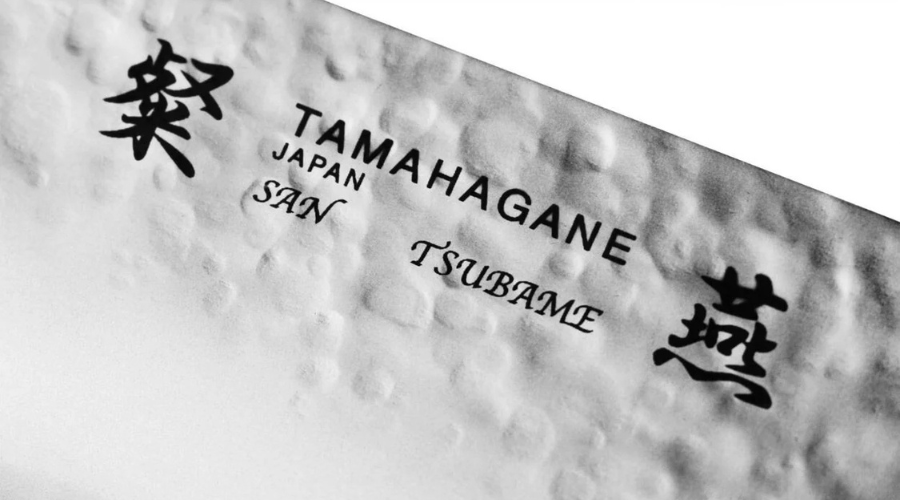
Our pick is the Tamahagane San Tsubame Sashimi Knife.
Tamahagane San Tsubame knives are made with a 3-ply stainless steel construction. The middle layer is VG-5, which forms the edge of the blade. This layer is exceptionally hard (61 HRC); it is as hard as VG-10 stainless steel but has superior edge retention.
Features:
- 3 ply stainless steel construction
- VG-5 core with SUS410 outer layer
- Hammered finish
- 2mm thick blades
- Bevelled edge
- Black micarta handle
- Made in Japan
Deba Knife: The Heavy-Duty Specialist
The Deba is the workhorse of Japanese seafood preparation. Its thick, sharp blade is purpose-built for breaking down whole fish – cutting through scales, bones and flesh with precision. The heavy weight gives leverage without requiring excessive pressure.
Unlike a stand chefs knife, the Deba's single bevel (ground on one side only) creates an exceptionally sharp edge perfect for clean cuts through delicate flesh and through joints. The blade geometry also prevents sticking in fatty flesh.
Our pick is the Global G7 Deba Knife.
The thick, heavy blade delivers the heft required for working through cartilage and fish bones, while the ultra-sharp CROMOVA 18 steel edge maintains its precision for delicate filleting and portioning. Built with the balance and quality Global is known for, it's a knife that honours traditional Japanese fish preparation techniques.
Features:
- 18cm traditional Deba blade for fish butchery
- CROMOVA 18 stainless steel - exceptionally sharp with superior edge retention
- Heavier blade for controlled cutting through bones
- Iconic Global design and balance
Perfect for fish stations, seafood prep, and chefs who work with whole fish and value traditional Japanese butchery tools.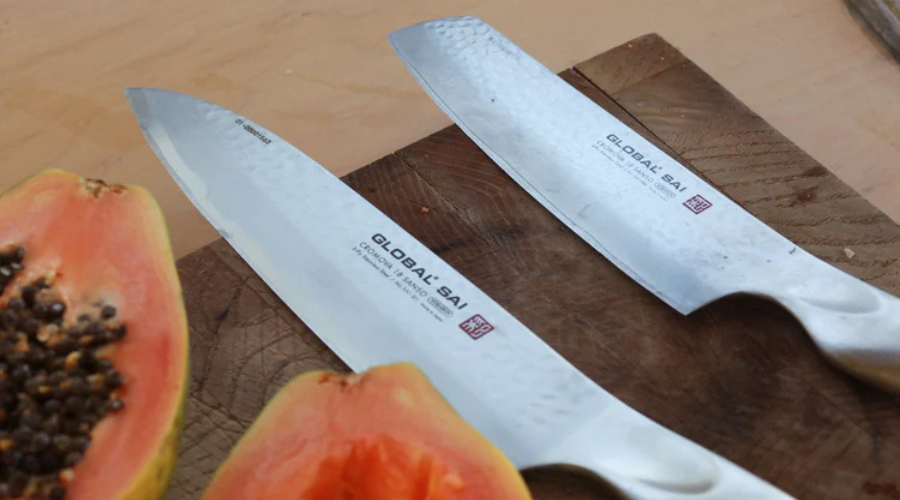
Gyuto Knife: The All-Purpose Tool
The Gyuto Knife is a versatile, all-purpose tool for slicing, dicing, and chopping meat, fish and vegetables. Translating to "cow sword", these knives are generally thinner, lighter and made from hard steel, which offers a sharper and more precise edge.
An alternative to traditional Western knives, the Gyuto Knife has a curved blade that allows the chef to use a rocking motion, and the pointed tip makes it ideal for slicing sashimi too. This knife is one of the most popular found in kitchens around Japan and is often used alongside the Deba and Nakiri knives to tackle a variety of ingredients.
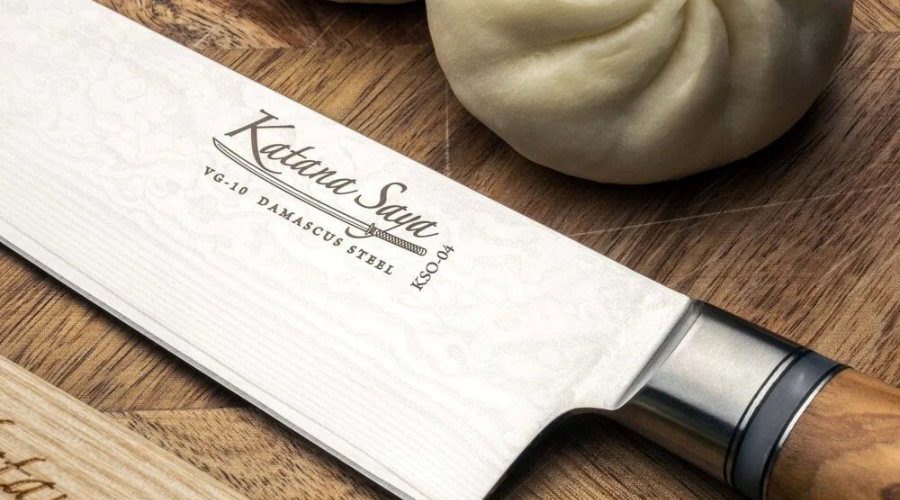
Our pick is the Katana Saya Gyuto Knife.
The exquisite craftsmanship in these knives can be seen in the elegant, layered Damascus pattern on the blade. The blade is finished with a light olive wood handle with an opal effect ring, striking an attractive balance between opulence and hard-wearing durability. Lightweight and soft in the hand, the olive wood handles offer a more natural look, elegantly balanced against the Damascus pattern of the steel.
Features:
- VG-10 core steel cutting edge with Damascus folded steel construction
- High-quality Japanese Damascus steel in 67 layers
- Hardened to HRC 60+ for superior strength
- Well-balanced light olive wood handle
- Each knife is supplied in its own wooden box
Nakiri Knife: The Vegetable Specialist
It could be said that the Nakiri knife is the opposite of a Deba – light, thin and specialised for vegetables. Its rectangular blade and tall height maximise contact between the blade and the cutting board – creating a flat surface that makes moving vegetables around easier.
The flat blade excels at the push-cut motion, minimising rocking and rolling for professional vegetable prep, where speed and consistency matter, the Nakiri is unmatched.
Our pick is the Kai Shun Nakiri Knife.
Created from stainless Damascus steel with 32 layers, the core layer features V-Gold-10 series steel - corrosion resistant, extremely hard, and delivering a sharp edge that is second to none. The well-balanced weight makes handling effortless through tireless work.
Features:
- 32-layer stainless Damascus steel construction
- V-Gold-10 series core layer - extremely hard and corrosion-resistant
- Flat edge for complete board contact and uniform cuts
- Sharp edge second to none
- Well-balanced for effortless handling
- Finest handcrafted Japanese knife
The Shun series of knives by Kai is highly appreciated and used by professional chefs worldwide. This finest handcrafted knife represents the pinnacle of Japanese knife-making artistry.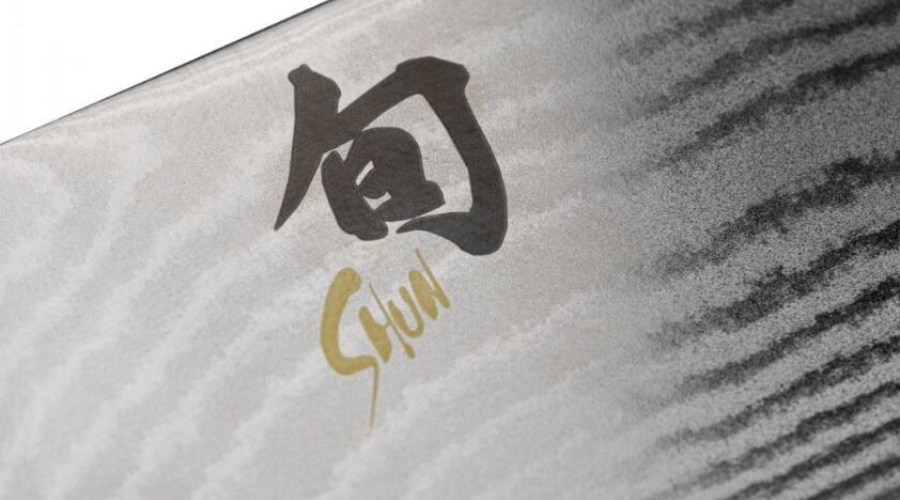
Santoku Knife: The Versatile Japanese Classic
"Santoku" literally means three virtues – excelling at slicing vegetables, fish and meat. It's the Japanese answer, as well as the Gyuto (which has key differences to the Santoku), to the Western chefs knife but has a superior edge and lighter construction. This makes it the ideal everyday blade.
Its slightly taller blade makes it excellent for the rocking motion commonly used in vegetable prep. The length is long enough for most cutting tasks but short enough to maintain control and precision.
Our pick is the Kasumi HM Hammered Santoku Knife.
The Kasumi HM series features a blade made from VG10 cobalt high-carbon stainless steel. This speciality steel has been developed specifically for cutting-edge blades. The blades are hardened to Rockwell C59-60 degrees, the ideal point at which a steel blade is hard enough to retain its razor-sharp edge and allows for re-sharpening and maintaining the finish.
Features:
- VG-10 Steel Core
- 18/10 Stainless Steel Outer Layer with Hammered Finish
- Hardened to 60 HRC
- Ultra Sharp Bevelled Edges
- POM Ergonomic Handles
Care & Maintenance
Hand Wash Only
Japanese blades will be damaged in a dishwasher. Hand wash immediately after use with warm water and mild soap. Dry with a soft cloth before storing. This takes 30 seconds and preserves the blade for years.
Professional Sharpening
Japanese knives are best maintained by professionals who understand single-bevel blade geometry. We recommend professional sharpening every 6-12 months, depending on use frequency. Between sharpenings, use a honing steel to maintain the edge.
Proper Storage
Store in a knife block, on a magnetic strip, or with blade guards. Never leave it in a drawer where the edge contacts other metal objects. A damaged edge doesn't just dull—it develops chips that require professional repair.
Who We Are
At Russums, we supply these knives to professional kitchens across the UK. We understand the demands of high-volume cooking and the precision Japanese knives deliver. We also provide expert guidance on selection, care, and maintenance—because a great blade deserves proper support.
23 April 2026